Steam Will Let You Buy Another Game After You Finish One
The store has placed one modest condition on the next purchase, leaving customers staring at a library of 846 games.
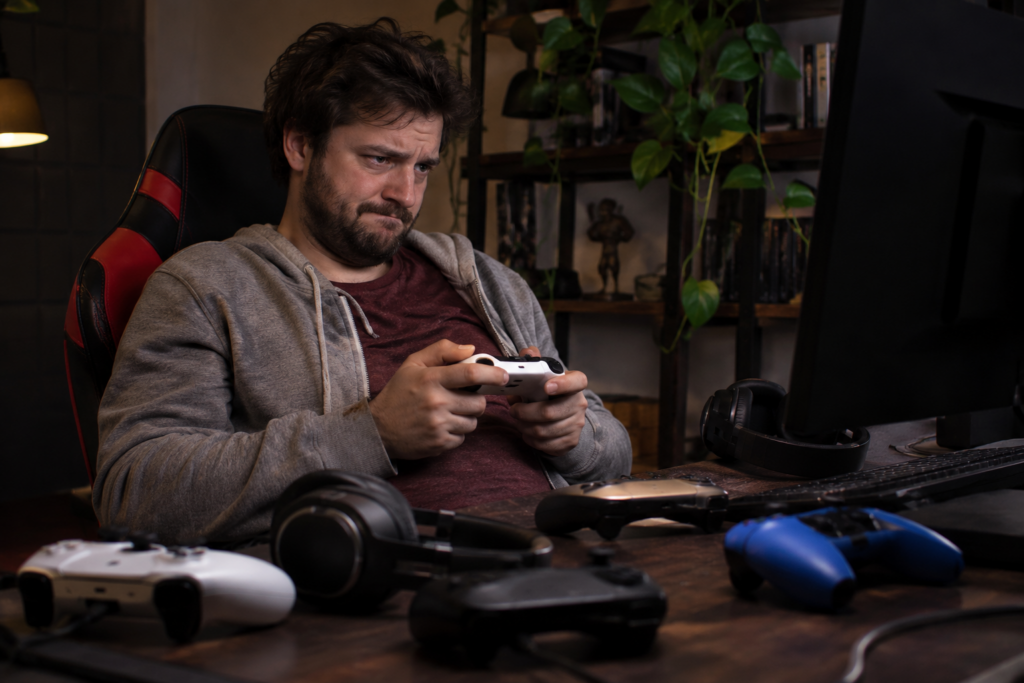
PC gaming has entered a difficult period after Steam announced that customers must finish one game they already own before buying another. Players have described the requirement as an aggressive intrusion into a hobby they primarily enjoy through purchasing.
The restriction accepts any completed game, including short puzzle titles and things acquired in a bundle by accident. Opening the settings menu, changing the field of view, and deciding to start properly at the weekend will no longer count.
“I’ve put thousands of dollars into this platform,” said 38-year-old player Grant Hollis, whose most-played title is a benchmark utility. “Now they’re asking me to do homework.”
Hollis tried to appeal by explaining that he owns several games in preparation for the person he will become after buying a larger monitor. Customer support directed him toward a 90-minute walking simulator he purchased nine years ago.
Valve’s completion auditor Anika Bell said the company has received 70,000 screenshots of introductory cutscenes. “We had one man submit a photograph of a sealed controller as evidence of intent. We need to see the credits. He knows what credits are.”
A cottage industry has formed around consultants who sit beside players and keep them from opening the storefront during loading screens. Their first task is usually persuading the client to choose a game without watching six comparison videos.
The new rule has also exposed a disagreement over what PC gamers consider ownership. Hollis says purchasing a game creates a binding relationship between the customer and the idea of someday playing it. Finishing that game would close a possibility he paid good money to keep open. His wife says this is also how he talks about the bicycle in the shed.
Players can earn an exemption by producing evidence that they have exhausted the games in their library. Evidence does not include a carefully organized collection, extensive tags, or a spreadsheet comparing which games would suit a quiet evening. Steam’s reviewers have seen those spreadsheets. Several of them contain more completed work than the games they describe.
One appeal came from a man who had spent 46 hours installing modifications to improve the weather in a fantasy role-playing game. He said the experience should qualify because the mountains looked exactly the way he wanted. Asked whether he had spoken to the first character, he explained that a new lighting package had just come out and he didn’t want to begin with an outdated mountain.
Hollis has attempted to trade his 846-game library for a certificate saying he clearly enjoys games. The proposed exchange would preserve his identity as a gamer while removing the part where a character expects him to walk down a corridor. Valve declined. A support representative said the corridor has no enemies and reminded him he can move with the keyboard already on his desk.
“There are other forms of participation,” Hollis said. “I watch people play. I read performance discussions. I’ve had some very productive arguments about a game I haven’t installed because I don’t trust the publisher. If they insist on measuring enjoyment by whether you enjoyed something, they’re going to alienate the community.”
Completion consultants charge by the hour, with a surcharge for clients who need to compare controller layouts. Consultant Maxine Ortiz said she begins each session by closing the web browser. This has prompted several customers to ask whether they can pause the session and watch a review of her services before continuing. One requested her settings so he could reproduce the experience himself.
Ortiz has found the most difficult moment comes after a game ends. Her clients immediately begin researching the correct game to play next. She says a successful finish can leave them facing an evening with no reason to visit the storefront at all. In some cases she stays while they sit in the chair and work out what they like.
Valve has declined to accept completion purchased from another player. It also won’t count watching the final cutscene online while clicking the mouse occasionally. Hollis attempted that method but abandoned it when the video’s creator recommended three other games he ought to own. He added all three to a list that now has more entries than his local public library has new books.
The walking simulator has since asked Hollis to examine a photograph on a bedside table. He believes this could be a useful point to stop and research whether the photograph is missable. His wife has offered to look at it with him. She would also like to know where the table in their actual bedroom went when he bought the second monitor.
Hollis has now made it through the first room of the walking simulator. He says the experience is surprisingly moving and has given him a fresh appreciation for the medium. Unfortunately, the sequel is on sale, so he has left the game running while he looks for a loophole.