AI Fund Reclassifies Losses as Training Costs
One fund says it now has enough examples to start recognizing a bad week.
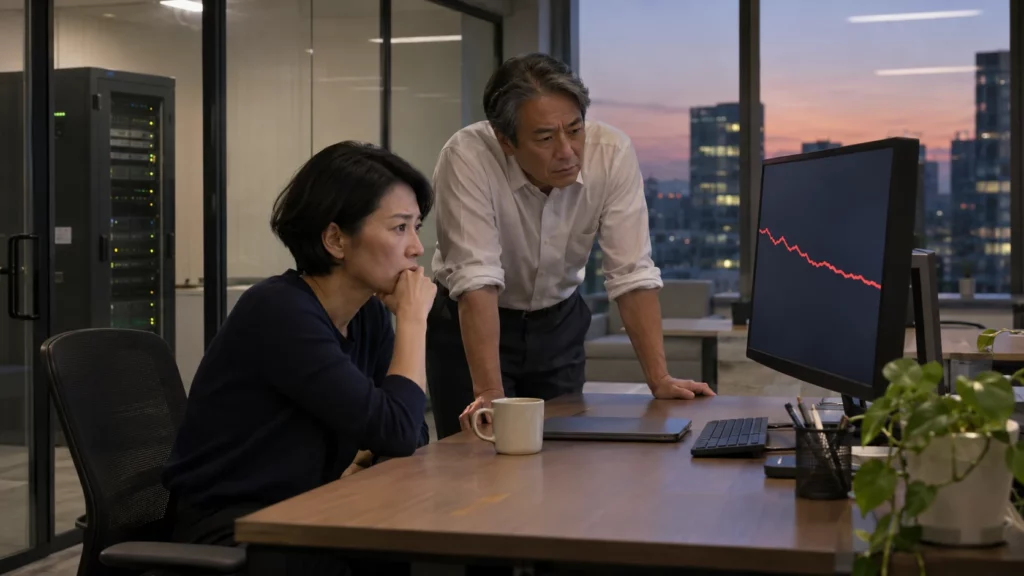
The technology investment firm Pembridge Capital has reclassified several days of poor trading in artificial intelligence stocks as the cost of training a fund that will eventually know when to sell.
The change follows a rough stretch for AI shares. Nvidia reported $115.8 billion in quarterly revenue on 17 November. Several AI-linked stocks have since come under pressure, and some investors have had trouble working out what would count as better news. Pembridge bought more following the earnings release. It bought more after the price fell, having trained extensively for a situation in which buying more looked cheap.
The firm has retained the ordinary performance figures in an appendix. Clients will find a separate table at the front of the report showing capital put to work teaching the fund what a bad week looks like. The higher figure represents how much more it has learned than a month ago.
“We had the same problem with the early models understanding what people meant by disappointment,” said Leila Ord, head of investor relations. “One explanation normally does very little. Paying clients give us enough examples to see a pattern.”
Pembridge began looking for a better measure after its investment committee asked for a breakdown of what had gone wrong. An analyst produced a chart showing the price paid and the closing price. His supervisor asked how they could quantify the difference between the firm they were at the start of the trade and the firm they were as a result of it. The analyst put the closing price beside the opening price again and was asked to switch the order of the columns.
There have been changes in the office. A Friday afternoon meeting to discuss losses is now called an evaluation, and the valuation team sits against the wall with a form that asks whether an outcome was surprising. So far nearly every attendee has checked yes. This is encouraging for a firm that was previously expecting the same thing to happen several days in a row.
Some experiments have been less productive. A position the fund exited too early was originally counted as an unsuccessful trade. After clients asked for an explanation, it became an issue with the amount of time engineers had left it running. Pembridge had been unable to hire engineers for the trade because it was an investment in a public company. The recruiter has been given another month.
Chicago client Leslie Brand had put part of the money from the sale of a veterinary clinic into the firm. She said she’d appreciated getting a phone call. She asked whether the fund had learned anything about the chance of her getting her money back by spring. Ord asked whether Brand would be comfortable with starting at the beginning and talking through the process of deciding to sell the clinic. Brand said it had taken her two years and she’d prefer to get to the part about spring.
In response to a question about fees, Pembridge sent investors a report from an independent firm hired to assess how much training it had completed. The assessor said the company could now reliably identify seven patterns consistent with losing money. It was particularly good at identifying the one in which someone read a glowing quarterly statement and bought the stock. The next assessment will test whether the fund can recognize that pattern even if the price goes up at first.
The staff tried the new report on a former investor who had got out in September. He counted as a control for the purposes of the study. He said he’d found the old report easier to read, although this one took longer to make him angry. Pembridge has added reading time to its measures.
The firm expects it will take a larger fund to find out which of its current trades are worth repeating. Clients are being given the option to increase their allocation. Brand said she would first like to know whether the option to withdraw was still available.
It is. Pembridge asked her to schedule a call to give it one more example of why people use it.