Bob Woodward Grants Himself Anonymity for His Memoir
To report on his own career for Secrets, Bob Woodward spoke on background with a person very familiar with Bob Woodward.
For his new memoir, Secrets, Bob Woodward granted anonymity to a person with firsthand knowledge of his career, after the person agreed to speak candidly about the decisions Bob Woodward had made.
The source wanted to be described as someone familiar with the reporter’s thinking, a characterization Woodward said he was comfortable using. The interviews took place over several days, including one session in which Woodward went into another room to check something and came back prepared to be a lot more specific.
The Associated Press interviewed Woodward about Secrets, his career, and how he thinks about reporting. VanFlip obtained time with Woodward to discuss his process for interviewing a source who had been in the room for nearly everything in the book. The following conversation has been edited to remove a long pause during which he looked at the ceiling and waited for himself to say something.
What did the source want in exchange for speaking with you?
He asked that I hear him out. There were things he knew I’d forgotten. He said I can give you the year and I can get pretty close to the month. I told him I’d also like to know what time of day it was. He said I was welcome to go through his calendar if I thought it would be useful. Then we both remembered where the calendar was.
Were there discussions about going on the record?
Sure. We went around on that. He said I know you well enough to know you’ll do what you have to do. Then he asked who else I was talking to. I said it was early. I’d already talked to him twice by then.
What’s an example of something you learned from him?
There was a phone call I’d described as lasting a few minutes. He said that was unfair. There had been a second call and it was longer. I asked whether the second call changed anything. He said there’s a decent chance I owe somebody an apology for what I said on the second call. In the book I say the conversation continued.
How did you confirm the source’s account?
I had his notes. There was a point where I showed him something he’d apparently written at the time and he said, “I wouldn’t have put it that way.” That interested me. I let the record stand and gave him a chance to describe what he meant. He said I was sitting there with the notes in my hand and I could see what he meant. You do run into that.
Did you ever ask yourself to leave something out?
There’s a detail about a lunch. It’s a very good detail and we talked about it for some time. He said before you write that, go down there and order the same thing. I did. Looking back, I can see why he’d been in a hurry to finish the lunch. He asked me if I was going to name the restaurant. I asked him if he still went there. He said he got something there yesterday.
Were there ground rules about talking at home?
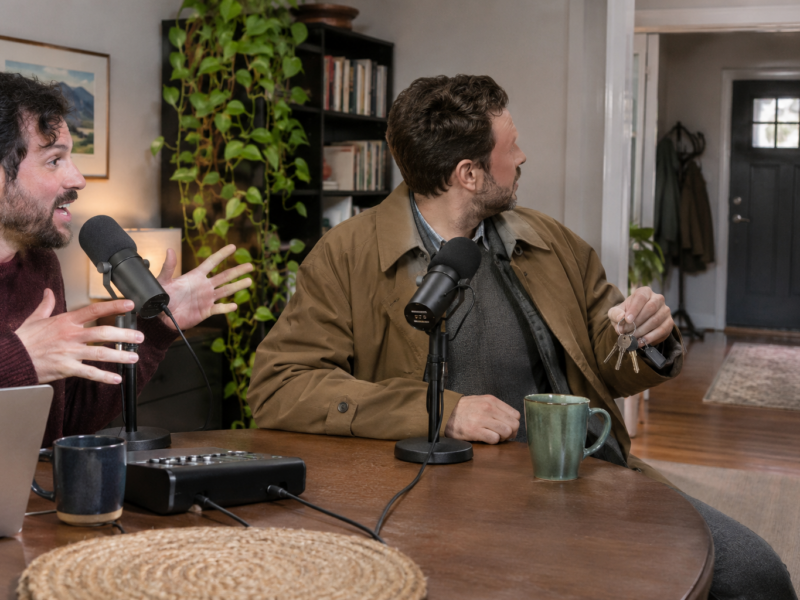
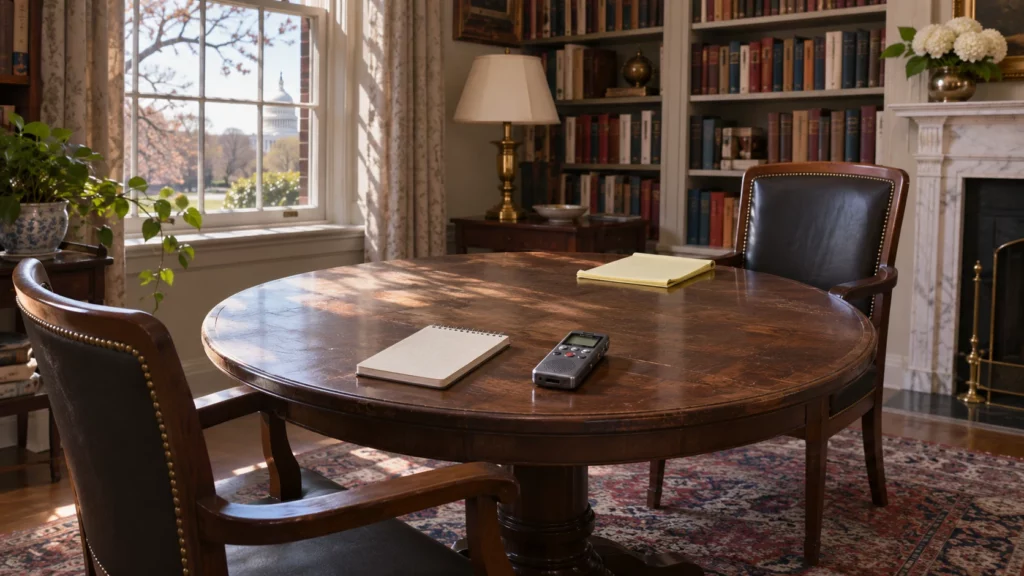
My wife asked me to stop moving the recorder. I’d put it on the end of the table to get a better sound when he spoke and then I’d have to move it back toward me when I asked a question. She said the sound would be fine exactly where it was. She was right. I’ve learned to listen to her on that.
How does the source feel about the finished book?
He asked if I’d sign one. I said I’d send it over once I had copies. He wanted to know whether that meant one was coming for free. I said I had his address and I thought we could work something out.
Do you expect to keep in touch?
He’s asked me to wait until he’s read it before I call. That strikes me as fair. I’d ask for the same thing.