Scientists Announce New Asbestos

CAMBRIDGE, MA – Researchers at the Massachusetts Institute of Technology announced Thursday the successful creation of a new form of asbestos capable of surviving heat, corrosion, ocean pressure, and most forms of government oversight.
The material, officially named Asbest-X but already referred to internally as “asbestos plus,” was unveiled during a livestreamed press conference sponsored by Home Depot, Raytheon, and a children’s lunchbox manufacturer.
According to researchers, the new asbestos is significantly lighter, stronger, and “dramatically more breathable” than previous asbestos models while maintaining the mineral’s traditional ability to quietly destroy human lungs over the course of several decades.
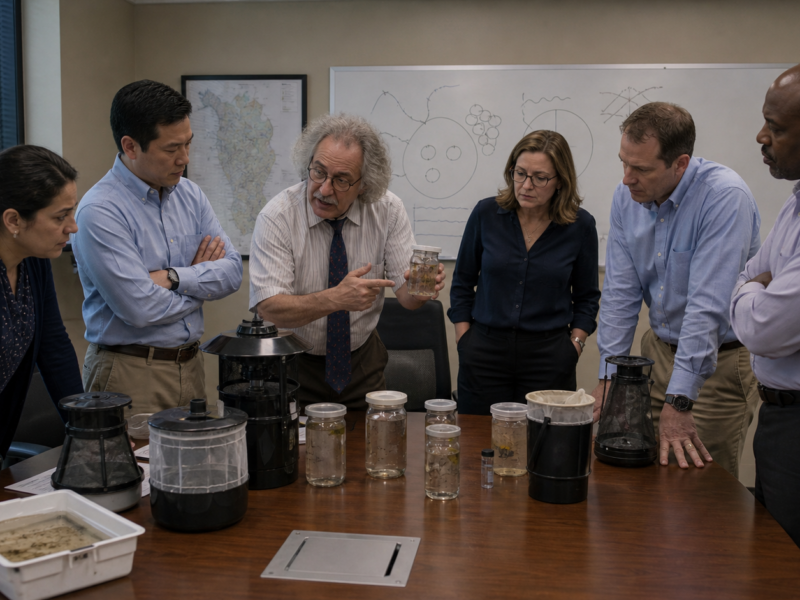
“This is the biggest advancement in carcinogens since cigarettes figured out flavors,” said project lead Dr. Evan Hollis while standing beside a table covered in what appeared to be glowing insulation dust. “Old asbestos had limitations. It would eventually break down in fires, collapse under industrial strain, or get caught by regulators. This new asbestos is designed for the modern world.”
MIT says the material was originally developed during a Pentagon contract aimed at creating military-grade drywall capable of surviving direct missile strikes while still feeling “warm and farmhouse-inspired.”
Within hours of the announcement, several major corporations had already announced plans to integrate the product into consumer goods.
Tesla confirmed the new asbestos would be included in all future Cybertruck interiors “for thermal efficiency and nostalgia.” Meanwhile, a luxury wellness startup in California has begun marketing asbestos yoga mats designed to “align the respiratory system with ancient mineral energies.”
Shares in Johnson & Johnson briefly surged after analysts suggested the company had “finally found a mineral with enough long-term growth potential.”
Federal regulators responded cautiously to the discovery. The Environmental Protection Agency released a statement promising a “full and exhaustive seven-year review process” before immediately approving temporary emergency use in schools, airports, and Airbnbs.
“We understand Americans may have concerns because of the historical reputation of asbestos,” said EPA spokesperson Linda Grover. “But this is entirely different. This asbestos comes from science.”
Health experts have expressed alarm over the material’s rapid commercial rollout, particularly after MIT confirmed the fibers are small enough to pass directly through standard hazmat filters “without slowing down at all.”
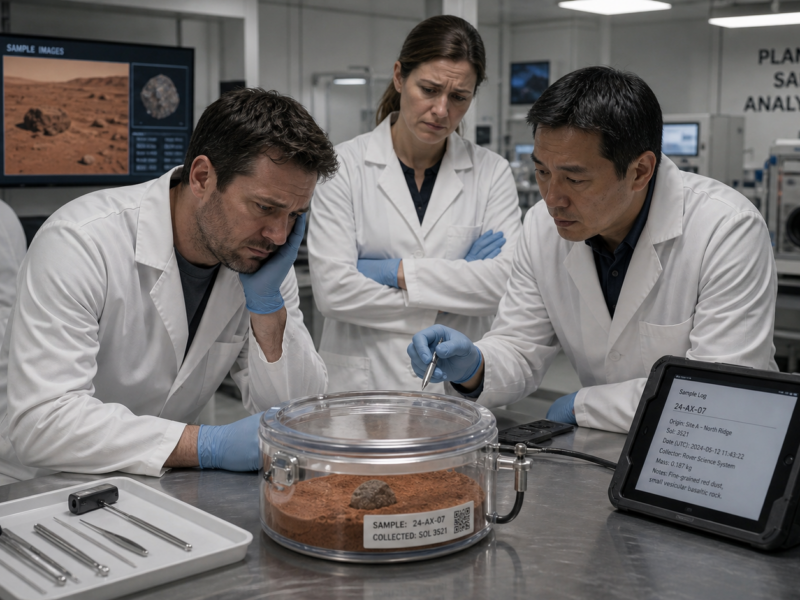
“This thing moves through protective equipment like it has somewhere to be,” said occupational disease specialist Mark Vance. “One technician accidentally opened the sample container and now three nearby buildings legally qualify as mining sites.”
Still, industry leaders remain optimistic.
HGTV has already greenlit a new home renovation series titled Flip This Mesothelioma, while several fast food chains are reportedly testing heat-resistant asbestos wrappers capable of keeping French fries warm for days.
The material’s strongest supporters insist the public reaction is overblown.
“People said the same thing about lead paint, cigarettes, microplastics, and crypto,” said venture capitalist Aaron Pike, speaking through a respirator made entirely of the new fibers. “Innovation always scares people at first.”
At the close of Thursday’s presentation, MIT researchers confirmed work had already begun on an upgraded version tentatively known as Asbestos Ultra, which they described as “self-replicating under ideal humidity conditions.”