Opinion: If AI Is Taking Everyone’s Jobs, We Need To Talk About Casual Shoplifting
If AI is taking the jobs, society may need a more honest conversation about toothpaste, dignity, and locked CVS cabinets.

For years, tech executives promised artificial intelligence would free humanity from repetitive labor, which sounded lovely until everyone realized the sentence meant, "Your health insurance is gone because a software rectangle can now answer emails faster than you."
Writers are nervous. Designers are nervous. Programmers are staring at LinkedIn at 2 a.m. while a startup called SynthMind.ai announces it can replace "mid-level strategic thinkers" for $14 a month. Even dentists look less relaxed than they used to, and dentists are professionally trained to ask follow-up questions while someone bleeds into a paper bib.
Meanwhile the people responsible keep appearing on podcasts in $400 sneakers explaining that job displacement is actually an exciting transition period.
Easy thing to say when your transition period includes a vineyard.
I am not saying society should abandon laws, doors, receipts, or the general concept of not walking out of Target with an unpaid rotisserie chicken under your hoodie. I am simply asking whether the current moral framework around stealing toothpaste still works once your former career has been converted into an autocomplete feature for venture capitalists.
Maybe we need nuance.
Maybe history will look back on minor retail theft the way previous generations viewed depression-era food scavenging: regrettable, understandable, and occasionally more dignified than whatever Congress suggested instead.
The social contract is getting extremely one-sided. Corporations replace workers with AI systems named CLAIRE or TaskPilot, then lock deodorant behind plastic like ordinary civilians are the real security threat.
You walk into CVS today and it feels like trying to negotiate custody of your own shampoo.
Then after eliminating twelve thousand jobs, the same company sends a press release saying it remains deeply committed to people.
Which people.
Specifically.
There is also the issue of scale. If a normal person steals allergy medication because rent ate 73% of their paycheck, that is a crime. But when a tech company vaporizes an entire department and calls it disruption, everyone on CNBC starts nodding at a chart like the chart just solved hunger.
Interesting moral architecture.
Governments have responded to AI labor panic with online retraining portals, inspirational webinars, and programs teaching forty-eight-year-old office managers to "write better machine commands," which sounds less like a career path and more like the final email before assimilation.
Retail analysts, meanwhile, report growing sympathy for what some economists are already calling micro-reparations shopping: small acts of unpaid household procurement accompanied by intense internal justification.
The usual targets are batteries, shampoo, protein bars, allergy medication, phone chargers, and those $5 bottles of cold brew coffee that make stealing feel less like crime and more like correcting a clerical error in civilization.
One unemployed marketing coordinator in Phoenix described walking out of Target with a USB-C cable as "the first time I'd felt economically seen in months."
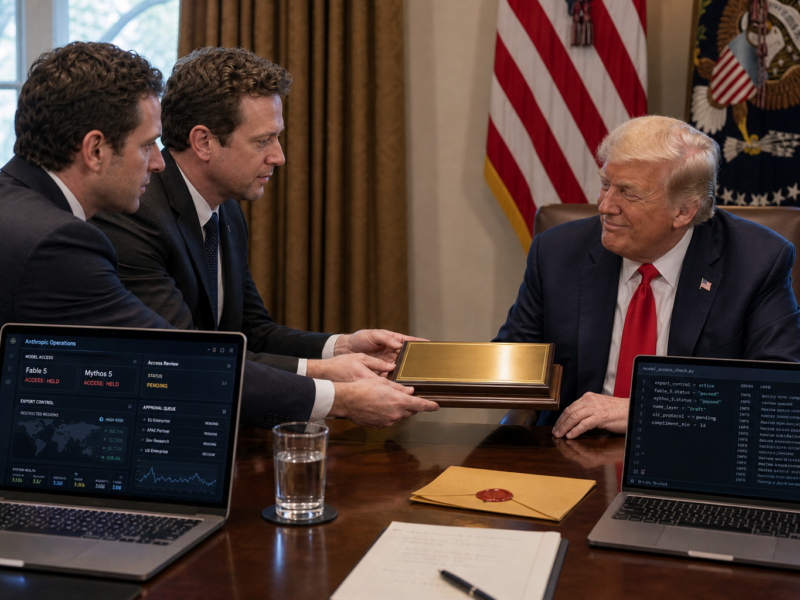
Billionaires continue urging patience. Several AI executives have proposed universal basic income as a possible long-term solution, which is generous considering they are the ones detonating the labor market and then asking everyone to wait calmly near the crater.
One startup founder recently posted, "HUMANS WILL SOON BE LIBERATED FROM THE NEED TO WORK."
Brother, people enjoy eating.
Before anyone accuses me of encouraging crime, let me be clear: I am observing that American capitalism has always depended on the idea that ordinary people could survive with dignity if they followed the rules.
If the rules become work hard, get replaced by software, drive Uber until your spine gives up, and then pay $11 for eggs under fluorescent lighting guarded by facial-recognition cameras, society may begin developing what experts call creative ethical flexibility.
Already there are signs of adaptation. TikTok is full of stealth wealth extraction techniques, which appear to be Gen Z tutorials about slipping blueberries into hoodie pockets while pretending to compare avocados.
Walgreens has responded by locking down entire aisles as though conditioner has declared independence. At one Chicago CVS, a customer reportedly had to press three separate assistance buttons just to buy toothpaste. The employee arrived twenty minutes later carrying it in one of those anti-theft spider-wrap devices usually reserved for televisions.
Some economists argue the real solution is stronger safety nets, labor protections, and taxes on AI productivity gains. Unfortunately those ideas require Congress to function continuously for longer than a microwave burrito.
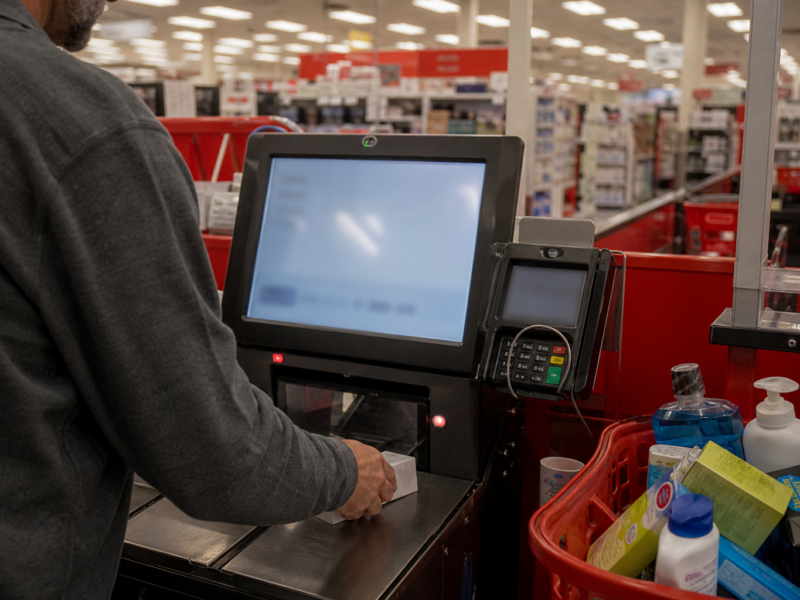
Until then, Americans are stuck inside a strange new moral economy where billion-dollar firms can erase livelihoods overnight while self-checkout machines scream "UNEXPECTED ITEM IN BAGGING AREA" because somebody forgot to scan a banana.
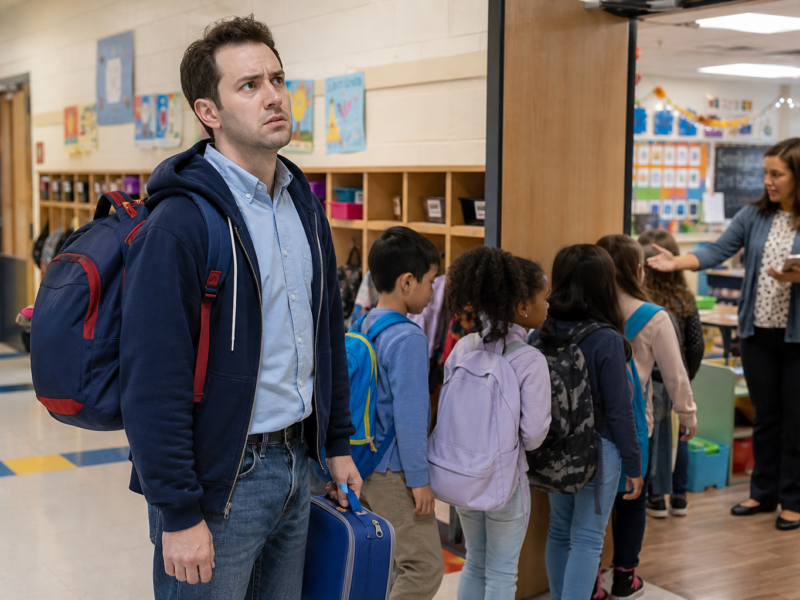
At press time, a laid-off UX designer was reportedly staring at a locked rack of toothpaste at CVS while calculating whether society had technically broken up with him first.