Warning Sign: A New Tate McRae Single Is Now Considered A Reliable Indicator To Sell Fucking Everything
Wall Street analysts say McRae's career has become impossible to separate from consumer weakness, shaky portfolios, and one trader selling his couch at 9:42 a.m.

The modern economy can survive a lot of things. It can survive sticky inflation, shipping delays, regional bank wobbliness, one weird quarter where every company says “AI” 90 times on an earnings call, and whatever is happening at the self-checkout kiosk in every CVS in America.
But it may not be able to survive Tate McRae releasing another song.
That is the grim warning from a growing number of market strategists who now believe the Canadian pop singer has become one of the most reliable downside indicators in global finance, with each new single, video, tour announcement, or deluxe album tracklist sending traders into the kind of animal panic usually reserved for wars, rate surprises, or Jim Cramer saying something with confidence.
Yikes.
“We used to monitor payrolls, CPI, oil inventories, consumer confidence, and Fed language,” said Denise Calder, senior macro strategist at Belden Pike Securities. “Now we monitor Tate McRae’s Instagram, RCA press releases, choreography rumors, and whether anyone in the office hears the words ‘new era’ before lunch. If she posts a pre-save link, we immediately reduce exposure to equities, credit, crypto, wheat futures, and the emotional concept of homeownership.”
According to Calder, the first major warning came with the September 15, 2023 release of “greedy,” a song that, on paper, was a major pop breakout and helped push McRae further into mainstream stardom. To Wall Street’s most frightened chart people, however, it was also the moment the economy allegedly learned to blink in Morse code for “get the fuck out.”
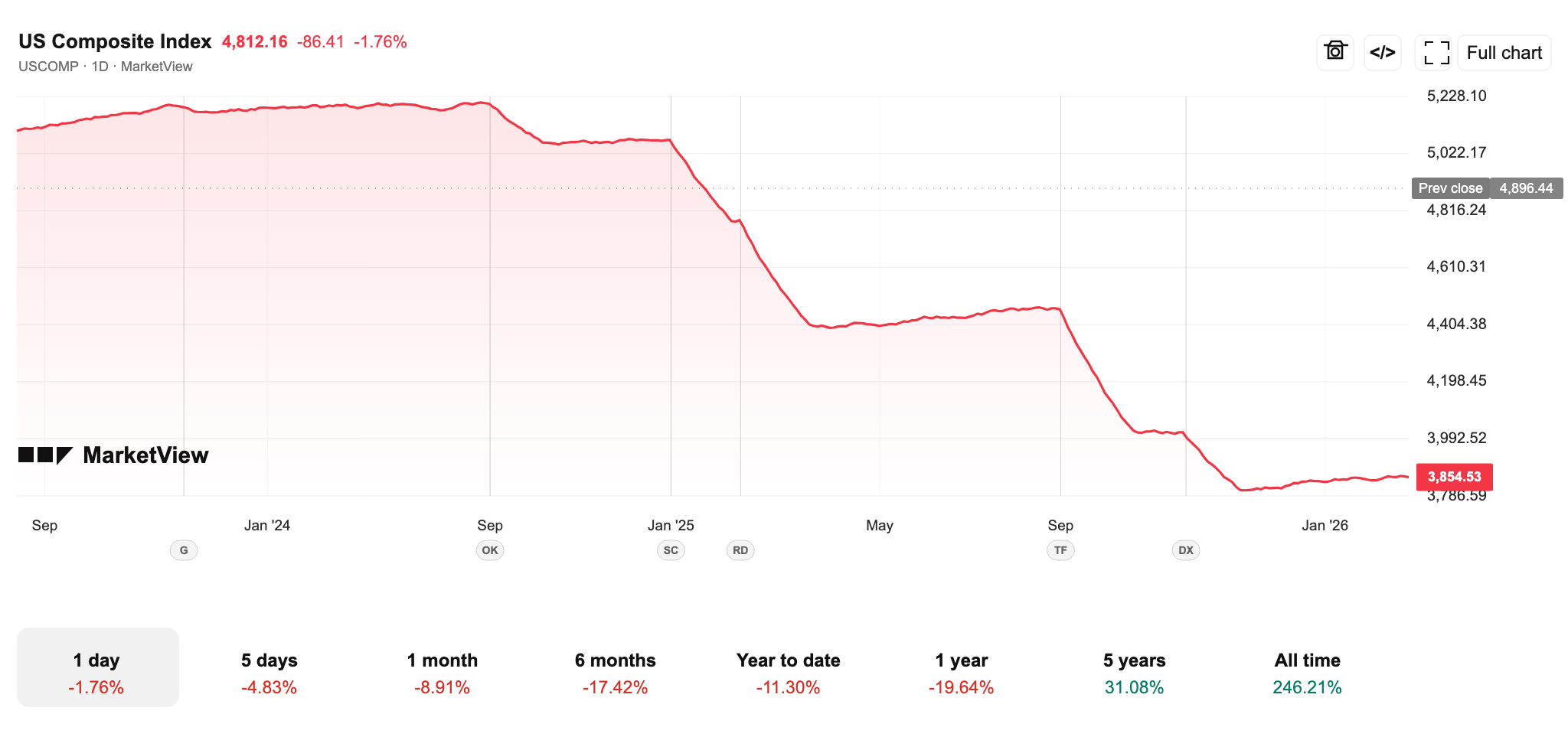
“The market absorbed ‘greedy’ the way a family sedan absorbs a refrigerator falling off an overpass,” Calder continued, pointing to a laminated chart she claimed was not made by a 24-year-old associate at 2 a.m. “At first, everyone said it was just a catchy song. Then you look at the release window, the follow-through, the risk-off rotation, and the fact that my nephew started saying ‘mother’ about monetary policy. That’s not nothing.”
Damn.
The situation reportedly deteriorated after “It’s ok I’m ok,” when several analysts began noticing that McRae titles were starting to sound less like singles and more like the internal monologue of a nervous bond desk. By the time “Sports car” arrived on January 24, 2025, one Midtown trading floor had created a Slack channel called tate-risk, where junior employees were instructed to post screenshots of any McRae-related activity alongside soybean prices, luxury retail earnings, and photos of their fathers looking quietly disappointed at a brokerage statement.
Then came February 21, 2025: So Close To What, McRae’s third album, which included “Revolving door” and arrived with the confidence of a woman who did not appear to know she had just activated a cross-asset liquidation event in Connecticut.
“That one really hurt,” said Martin Bales, head of thematic research at Talmadge Rowe Capital. “You can’t put ‘Revolving door’ into the economy and expect cyclical stability to just sit there and behave. Revolving door? In this rate environment? Are you fucking kidding me?”
Bales said his firm now treats every McRae release as a tiered warning. A social teaser is “trim risk.” A single is “raise cash.” A video with choreography is “call your wife from the stairwell.” A deluxe edition is “sell fucking everything, including the stairwell.”
Oof.
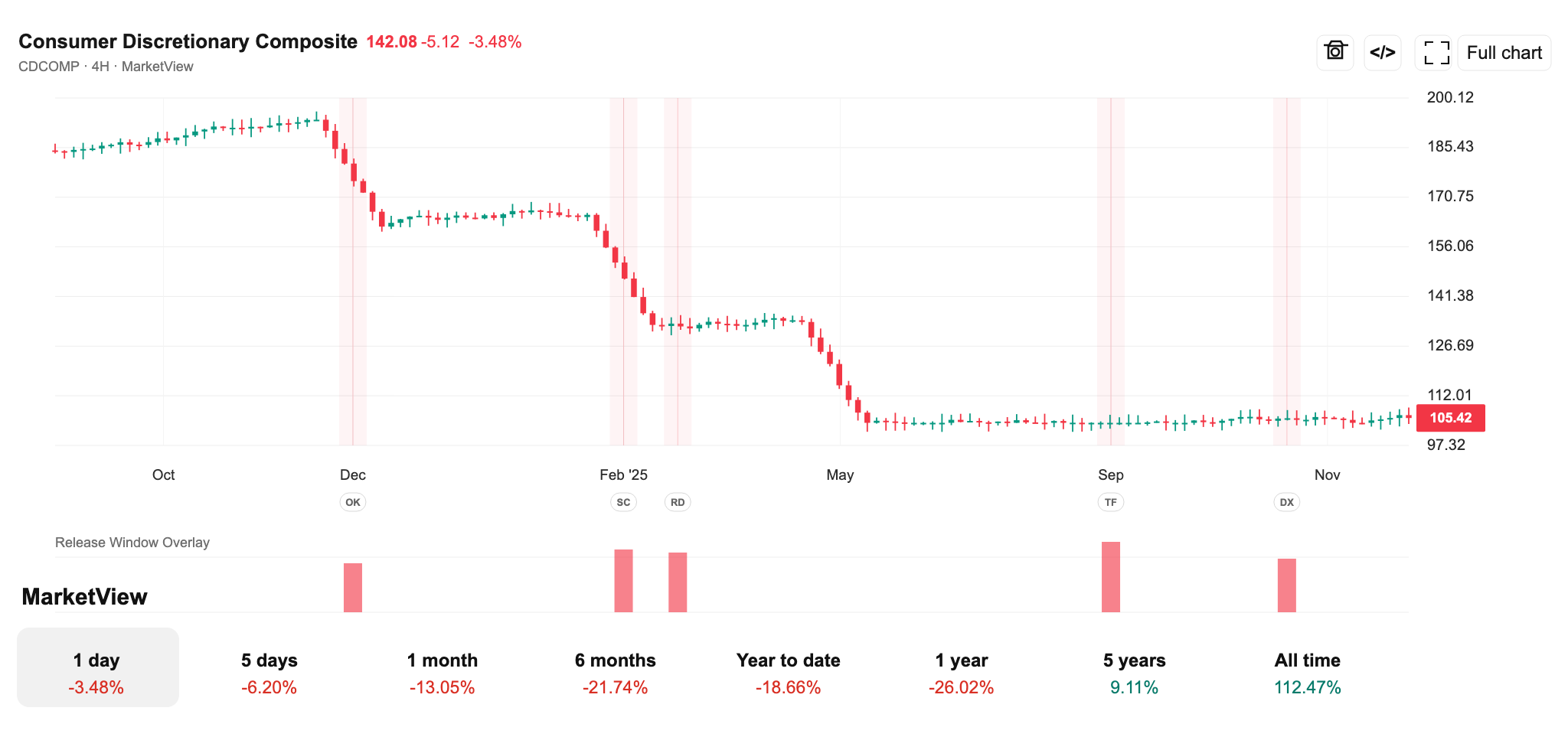
The model, informally known as McRae VaR, has become popular with hedge funds that previously relied on less sophisticated signals such as yield curves, credit spreads, and a senior portfolio manager silently closing his laptop and walking into traffic on Sixth Avenue. It assigns a panic score to each McRae event based on tempo, styling budget, number of question marks in the album title, and whether the song seems like it would play in a Zara fitting room while a private equity analyst realizes his bonus is gone.
The September 26, 2025 release of “TIT FOR TAT” pushed the model into its highest alert band after the song reportedly forced several traders to ask whether revenge-pop was now a leading indicator for household deleveraging. The November 21 deluxe edition of So Close To What??? only deepened the concern, with five new tracks and enough punctuation to make one commodities desk price copper like civilization had already ended.
“We are not anti-pop,” Bales clarified while deleting six apps from his phone. “We think Tate is talented. The dancing is strong. The hooks are there. This is not personal. We are simply saying that if she has another album cycle in her, America may need to return to a barter economy based on canned peaches, AA batteries, and compliments.”
For now, the official advice from the research community remains measured: monitor liquidity, diversify holdings, and under no circumstances allow a major record label to put Tate McRae in a studio with Ryan Tedder, a wind machine, and unresolved feelings.
Have you personally watched a tasteful pop rollout reduce your purchasing power? Let us know in the comments.