Review: Periphery’s ‘A Pale White Dot’ Sounds Like A Gaming PC Trying To Win Custody
Periphery's new album is huge, immaculate, and emotionally structured like a custody hearing conducted inside a $14,000 gaming PC.
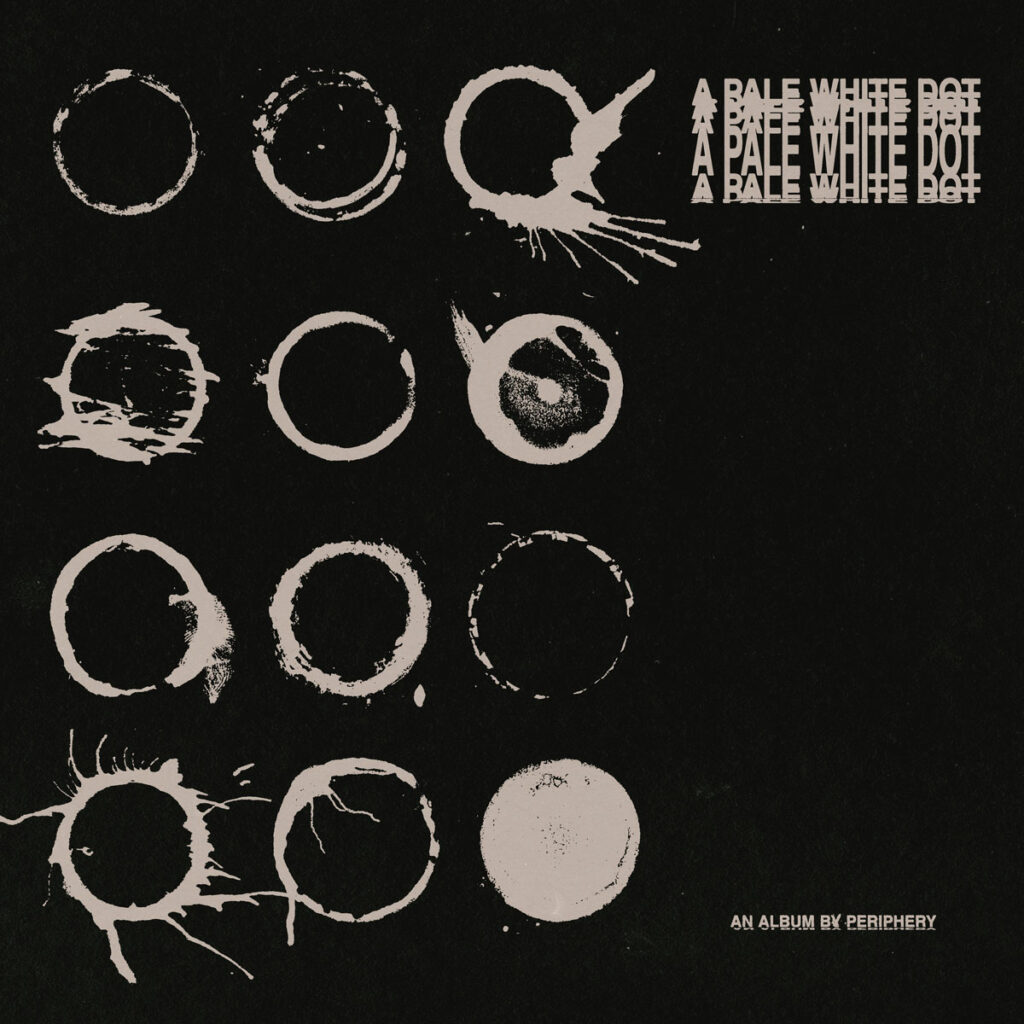
There are progressive metal albums, and then there are documents you receive from a lawyer. Periphery’s A Pale White Dot belongs to the second category, arriving fully mixed, extremely expensive, and already accusing you of not understanding the schedule.
This is not an insult. Mostly. The album is sharp, huge, absurdly clean, and emotionally unstable in the way only Periphery can be: five gifted musicians building a gorgeous machine whose primary function is making a man in a Meshuggah hoodie whisper “fuck” in a Best Buy parking lot.
Opener “Obsession” wastes no time establishing the central mood, which is what would happen if a $14,000 gaming PC became self-aware during a custody hearing and immediately started tracking a chorus in 17/8. Spencer Sotelo sounds fantastic, but also like he has been asked to explain a failed crypto portfolio to his wife through a Ring camera.
The guitars arrive soon after in what can only be described as aggressively divorced tuning. Every riff sounds like it owns three monitors, a standing desk, and a private theory about why the divorce mediator was biased against guitar players.
“Talk” is the first real proof that Periphery still know how to write a hook, even if they insist on hiding it inside machinery that sounds like a Pelican case falling down stairs. Halfway through, the song opens into a clean section so polished and sad it briefly made me remember every hotel lobby I have ever sat in while eating conference eggs.
Then comes “Mr. God,” a song with a snare tone so expensive it should arrive with a financing disclosure. The chorus is enormous. The verses move like a printer refusing a firmware update. By the second listen, I was nodding along in the resigned way people nod when a contractor says the crawlspace has “more going on than expected.”
Periphery have always been at their funniest when trying to sound serious, and A Pale White Dot gives them room to be deadly serious about the dumbest possible textures. “Heaven on High” sounds like a worship song for men who can identify a compressor by its emotional damage. “Unlocking” sounds like the menu music for a boutique pedalboard lawsuit.
“Subhuman,” featuring Will Ramos, is where the album threatens to disappear completely into its own gym bag. Ramos enters like a medieval prisoner being lowered into industrial equipment while Sotelo floats above him, clean and wounded, like a man answering Slack messages from an MRI tube.
And yes, it works. Annoyingly well. That is the Periphery problem: they will hand you a song that appears to have been assembled from panic, boutique pickups, and unresolved masculine admin, and then the chorus will be good enough to ruin your argument.
“Blackwall” and “Malevolent” continue the band’s long tradition of writing riffs so technically dense they loop back around into sounding like a billing issue. There are sections where Matt Halpern’s drums no longer seem attached to measurable time, only to a Google Calendar invite titled TENSION.
I listened to “Malevolent” outside a Home Depot and briefly became convinced mulch was judging me.
“Carry On” is the closest thing here to a ballad, though calling it a ballad feels unfair to actual tenderness. It is beautiful in the same way an airport terminal is beautiful at 4:45 a.m. when you have eaten nothing but ibuprofen and Cheez-Its and your phone is at 7%.
By “Neon Valley,” the album has turned into progressive metal’s answer to a vape store bankruptcy hearing. Everything glows. Everyone has a spreadsheet. Someone is definitely explaining why the landlord never believed in the vision.
“Everyone Dies Alone” is exactly as subtle as the title suggests, which is to say not at all. Sotelo screams the phrase over instrumentation that sounds like transformers exploding behind a Costco, and the band somehow resists adding a section where a lawyer reads a custody agreement over blast beats.
The closing title track does not offer release so much as informed consent. After nearly an hour of impossible rhythms, glass-clean production, and riffs dense enough to affect nearby wildlife, A Pale White Dot ends like the audio equivalent of staring at Zillow listings you cannot afford.
No catharsis. No grand message. Just the quiet knowledge that six men in Maryland have once again made anxiety sound tax-deductible.
This is not Periphery’s heaviest album. It is their most recently divorced one.