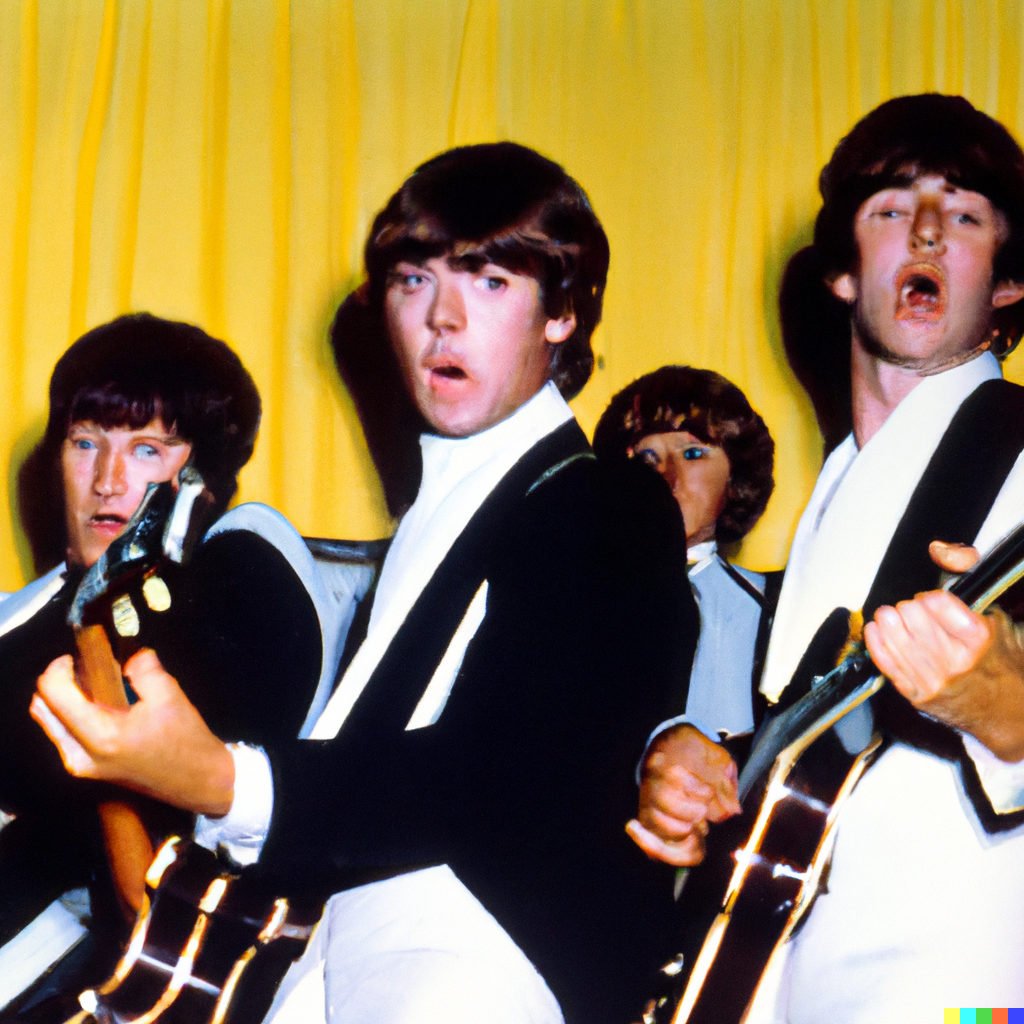
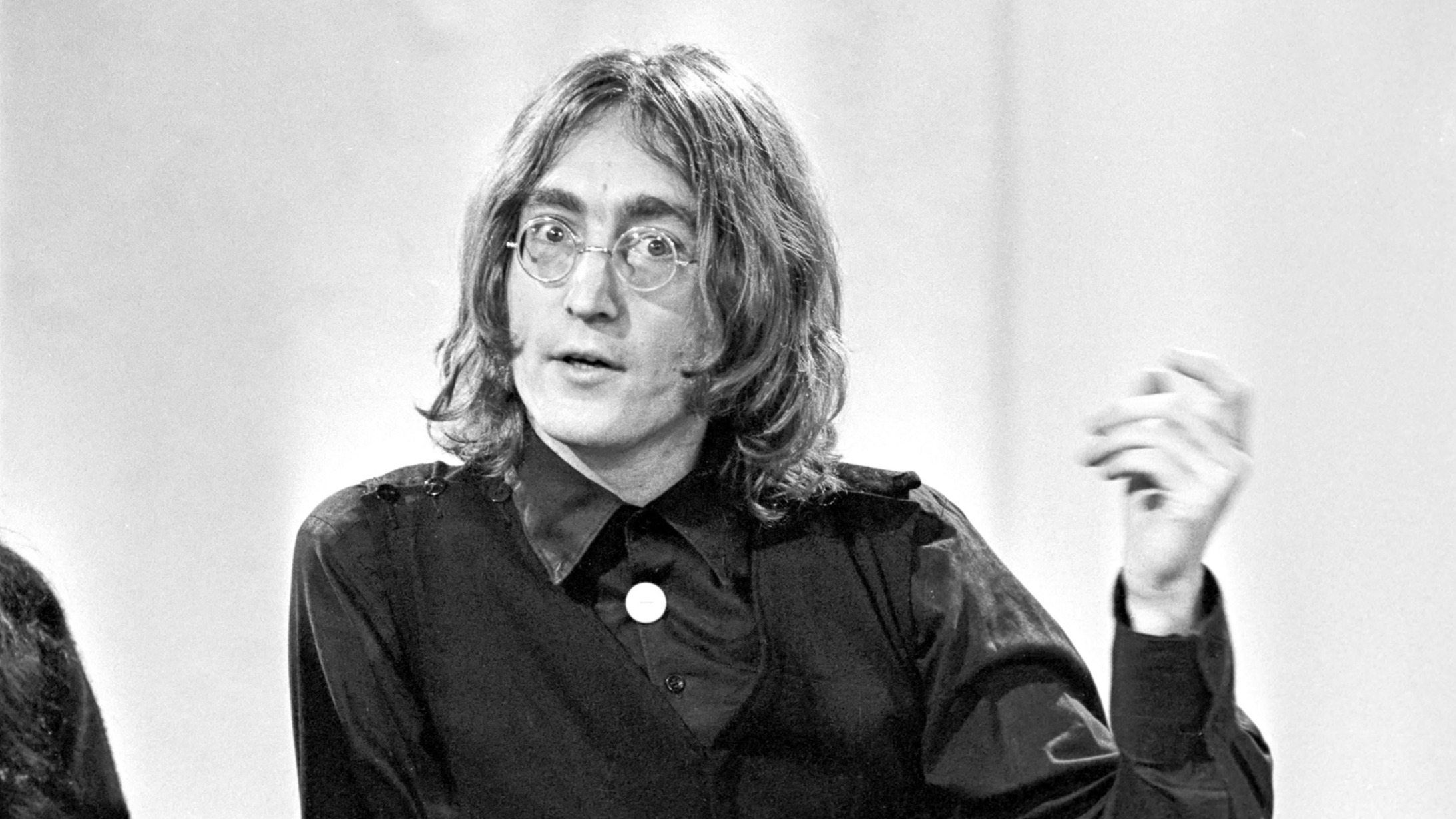
Paul McCartney — “The Boys Of Dungeon Lane” Record Review

The Boys Of Dungeon Lane is Paul McCartney’s strongest attempt yet to answer the question: what if a beloved former Beatle got trapped inside a damp 14th century medical ward and decided to record through it instead of leaving.
From the opening moments of “As You Lie There,” the album establishes its atmosphere with confidence. You hear soft acoustic guitar, warm bass, and somewhere in the distance, the unmistakable sound of a man dying because nobody washed a spoon for 11 consecutive years. It is subtle. Mature. The kind of production choice only an artist with nothing left to prove would make.
“Lost Horizon” continues the record’s commitment to authentic medieval texture. Underneath the harmonies, you can clearly hear chainmail scraping against stone floors while what sounds like a monk attempts emergency dentistry with blacksmith tools. McCartney wisely keeps the vocals gentle, allowing the listener to really sit with the horror of pre-modern calcium deficiencies.
The album’s middle section is where the concept fully blooms. “Days We Left Behind” pairs wistful lyrics with the ambient sounds of livestock panic and wet coughing. “Ripples in a Pond” appears to have been recorded beside a village runoff trench. During “Mountain Top,” somebody in the background repeatedly shouts for boiled water that never arrives.
What makes The Boys Of Dungeon Lane work is commitment. Lesser artists would have treated the medieval elements as gimmickry. McCartney commits fully to the sonic reality of a civilization held together almost entirely by damp rope and soup. On “Down South,” the percussion genuinely sounds like two exhausted farmers hitting shields together because they forgot drums existed. “We Two” includes at least three separate instances of men groaning from gout.
“Come Inside” may be the album’s masterpiece. The melody itself is beautiful, almost distractingly so, because underneath it you can hear what appears to be a field amputation occurring in real time. There is a point halfway through where somebody quietly says “he’s gone cold” before McCartney slides into a remarkably catchy chorus. That balance between elegance and septic collapse defines the entire project.
“Never Know” leans heavily into plague-era acoustics. Wooden creaks. Church bells. The soft splash of contaminated drinking water. Every sound feels deliberate. By the end of “Home To Us,” featuring Ringo Starr, it genuinely starts to feel like the two surviving Beatles wandered into a dying feudal village and simply decided to keep playing.
“Life Can Be Hard” deserves recognition for being less of a song and more of a documented famine.
The closing stretch is magnificent. “First Star of the Night” introduces fragile piano over distant communal grieving. “Salesman Saint” somehow incorporates what sounds like armored combat into a love song. Then “Momma Gets By” closes the album on an emotionally devastating note, accompanied by the subtle collapse of what may be a grain silo or an elderly serf.
At 83, McCartney remains fearless. Most artists his age settle into nostalgia. McCartney chose dysentery.