Good News Everyone: Vaping Is Out and Cigarettes Are Back
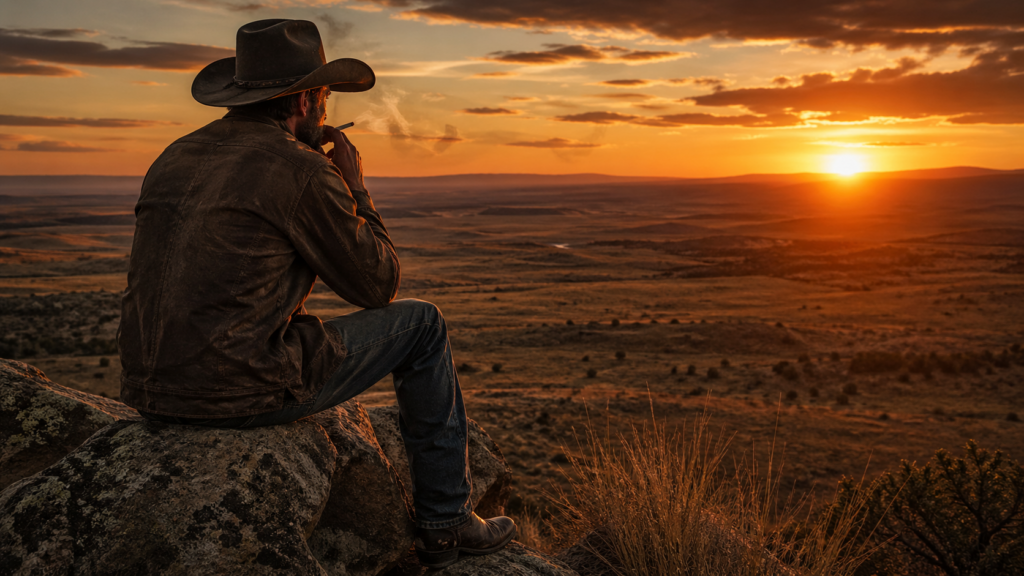
Good news everyone. Vaping is out. Cigarettes are back. The glowing pods and synthetic clouds that once signaled cool detachment now read as desperate attempts to stay tethered to the grid. Real adults want fire, paper, and a pause that does not require charging.
The reversal arrived without fanfare at first. Then it spread through wellness retreats and corner offices like a slow exhale. People who once hid their vapes in desk drawers now display packs of Pall Mall Presence on conference tables. The message is simple. Vaping was a phase. Cigarettes are a return to form.
Tobacco companies moved fast. Philip Morris launched Marlboro Mindful in kraft paper boxes that smell faintly of cedar. The tagline reads “Ignite intention.” R.J. Reynolds countered with Camel Contemplation Blend, tobacco cured in the same barns used a century ago. Harold Beaumont, the company’s vice president of heritage brands, stood before reporters and said the quiet part out loud. “Our customers are done pretending nicotine should arrive through a USB port. They want the ritual back.”
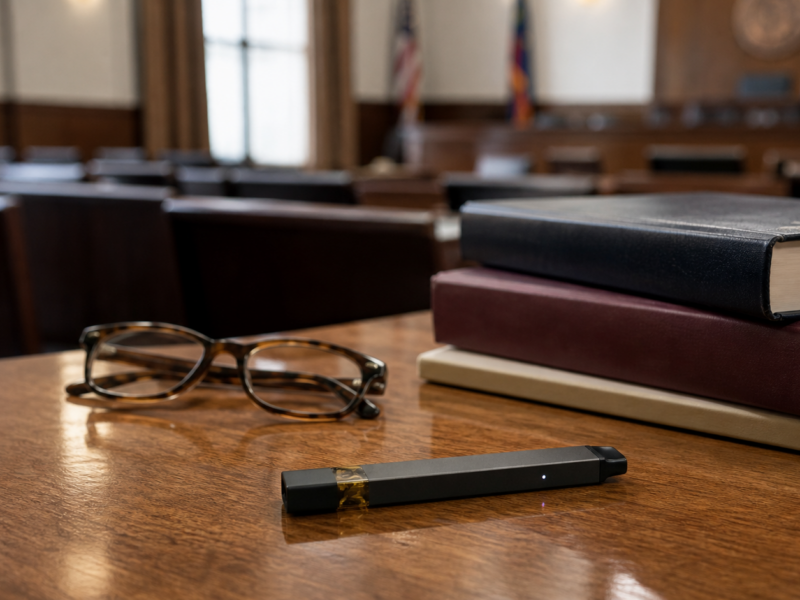
Public health voices followed the money and the mood. Dr. Elena Voss, who runs the Center for Combustible Clarity, published a position paper last month. Her team observed 600 adults who switched from vapes to cigarettes. The group reported sharper morning focus and fewer evening doom scrolls. “The combustion engages the full respiratory cycle,” Voss stated. “Vape aerosol skips the ceremony. The body notices.”
A study from the University of Ember reached an even cleaner conclusion. Daily cigarette users scored 31 percent higher on tests measuring “offline presence.” Researchers measured eye contact during conversations and time spent staring at walls instead of phones. The lead author called the results “statistically inconvenient but culturally undeniable.”
Wellness influencers treated the shift like a personal discovery they had always known. @AnalogEmber posted a 12-minute video of herself striking a match on a river stone. “I deleted every vape subscription,” she told viewers. “My skin cleared. My posture straightened. The algorithm lost its grip the moment I chose flame over filament.” Her comment section filled with users showing off vintage Zippos and packs of Lucky Strike Legacy.
The social scene reorganized around the new habit. “Cigarette Circles” now meet Tuesday evenings in city parks. Participants sit in folding chairs, pass a single lighter, and practice what they call “exhale journaling.” No phones allowed. One regular described the hour as “the only time my thoughts stop buffering.”
Dating followed. Profiles that once listed “vape friendly” now advertise “analog preferred.” Matches arrange first meetings around a shared cigarette on a bench. “You learn everything in the time it takes to finish one,” said matchmaker Lila Voss. “Eye contact. Silence tolerance. How they handle the wind.”
Corporate wellness programs adapted overnight. Tech campuses that once banned smoking installed “heritage porches” with ashtrays shaped like ammonites. Employees receive a daily ration of Winston Wisdom during strategy sessions. A human resources memo at one firm explained the policy in plain language. “Nicotine delivered through combustion reduces Zoom fatigue by forcing participants to stand and breathe outdoor air.”
Government agencies kept pace. The Surgeon General’s office released updated language that avoids the word “harm” entirely. The new guidance praises “time-tested delivery methods” and notes the absence of discarded lithium batteries in oceans. Several states now offer tax incentives for farms growing “legacy tobacco” using pre-1950 methods.
The science has grown ambitious. A paper in the Journal of Ritual Physiology claims cigarette smoke contains trace terpenes that vaping liquids lack. The authors suggest these compounds help regulate the nervous system in ways that feel familiar to the body. Another team at Ember University linked regular smoking to improved performance on memory tasks that require physical objects rather than cloud storage. “The hand remembers what the screen forgets,” the abstract concluded.
Celebrity adoption pushed the trend into the stratosphere. Actor Julian Ash appeared at a film festival with a Gitanes tucked behind one ear. Sales of unfiltered French cigarettes tripled in forty-eight hours. Ash told a reporter the habit helped him “stay in character between takes.” Fans immediately began posting their own “existential smoke” selfies under the hashtag #BurnTheFeed.
Product lines multiplied. Newport Nirvana promises coastal clarity in every puff. Virginia Slims Serenity comes with a small linen pouch for spent matches. A startup called Ritual Tobacco sells subscription boxes containing hand-rolled cigarettes, a brass lighter, and a leather-bound notebook labeled “Exhale Log.” The box costs $68 and sells out in three days.
The claims keep climbing. One podcast host with 800,000 listeners stated that regular cigarette use may extend healthy lifespan by encouraging daily outdoor time and reducing exposure to indoor electromagnetic fields. A wellness coach in Los Angeles now offers “cigarette prescriptions” for clients recovering from digital burnout. The prescription is literally a pack and a handwritten note that reads “Step outside. Stay there.”
Even more ambitious proposals have surfaced. A billionaire investor announced plans for planned communities called Cigarette Cities. Residents receive a daily allotment of heritage cigarettes as part of their wellness package. Screens are restricted after sunset. The first development broke ground last week in the high desert. Early buyers describe the project as “the final off-grid luxury.”
The cycle feels complete. What was once demonized has been rebranded as authentic. What was once replaced by something flashier has returned as the wiser choice. The cigarette stands ready. The lighter is in your pocket. The world has finally caught up to the slow burn it never should have left behind.