Streaming Service Keeps Commentary Track for Film It Lost
The film has moved to another service. You can still hear somebody describe what’s in the corner of the screen.
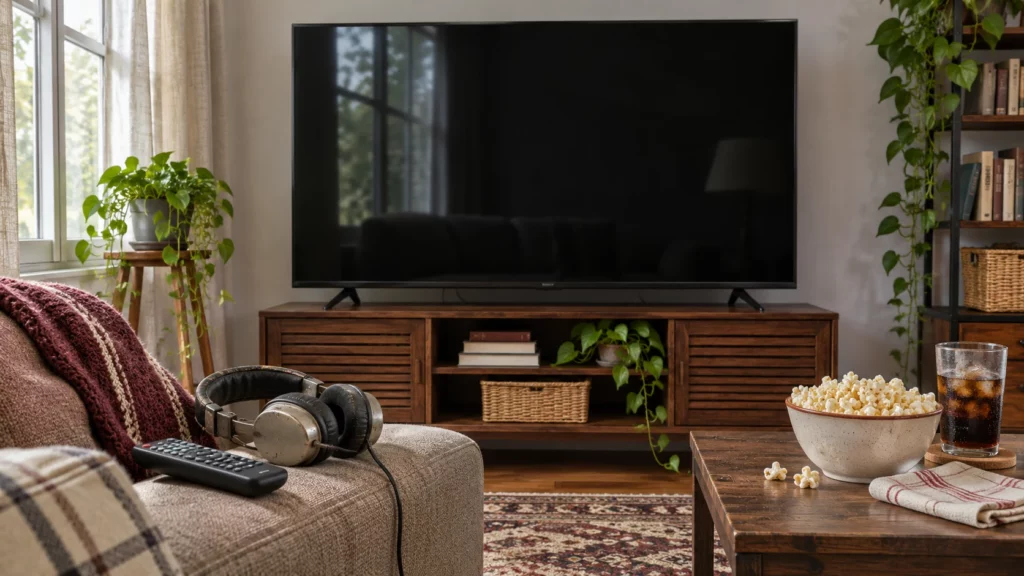
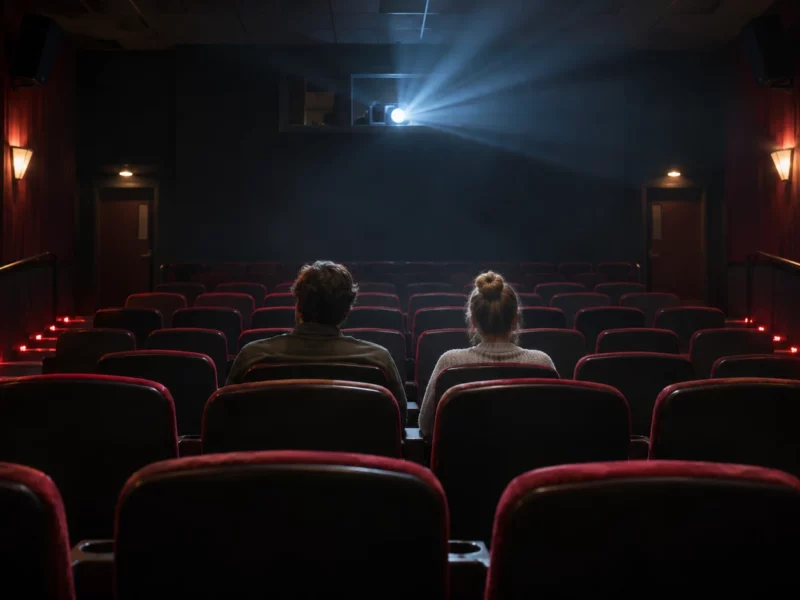
A streaming service has kept the director’s commentary for a film it can no longer show, allowing viewers to hear somebody describe several parts of it in the order they’d normally come up.
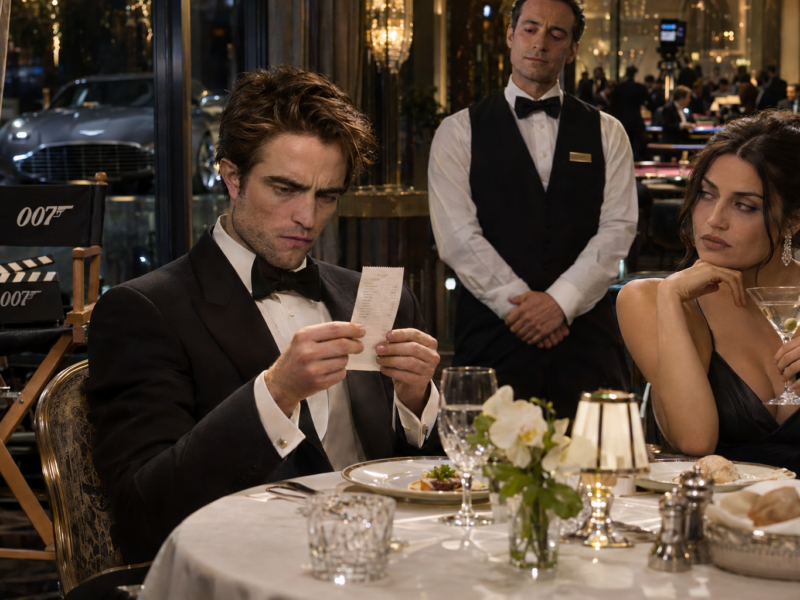
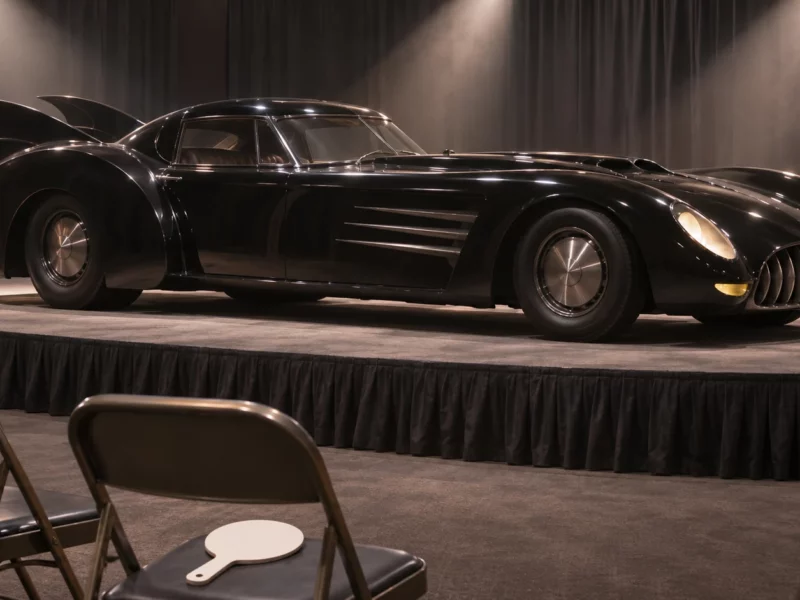
The film was on the service for most of the year. Its companion track remains available under Extras, along with a short featurette and a still picture of a person who spends the opening scene getting out of a car. The director mentions the car in the commentary. He also says why they went with that particular color. The color is named at about the point when the car would be far enough from the camera that somebody might miss it.
The change was noticed by a woman who had started the commentary on a Sunday and went back later to see what the director meant when he said he’d just taken something out of the shot. By then the film itself had moved to a different service. She checked which service it was, found the film, and realized she’d have to arrange to hear somebody talk about it on one device while she watched it on another.
“This would be a good place to look at the way they’ve framed the door if you wanted to see what he was working with,” said Joe Clifton, who has been listening to the opening twenty minutes on the train. “I haven’t seen the thing with the door. I’m clear on how much room they had beside it.”
Clifton says the commentary works fairly well as a story about making a film. Several people in it had to be somewhere early. A person responsible for the car also had to be somewhere else by noon. At around forty minutes, a speaker wants you to look at the far side of a room. Clifton expects he would recognize the far side if he were able to see the room first.
The service has received requests to add timestamps to the commentary, to help viewers establish where they would be if they had the movie. A staff member said several chapters already had useful descriptions, including “the beginning” and “the ending.” She asked a caller whether he’d like to know where the ending began. He said he’d rather not know anything that could give away a part of the movie he was still hoping to see.
Some customers have found the film on a separate service and tried to watch with both open. A man synchronized the first minute and was pleased with the result until his film started showing the producer’s logo and the director was already talking about the car. He stopped the commentary to wait. The stream stopped too and asked him whether he was still watching, which he was, to the extent he could see the question.
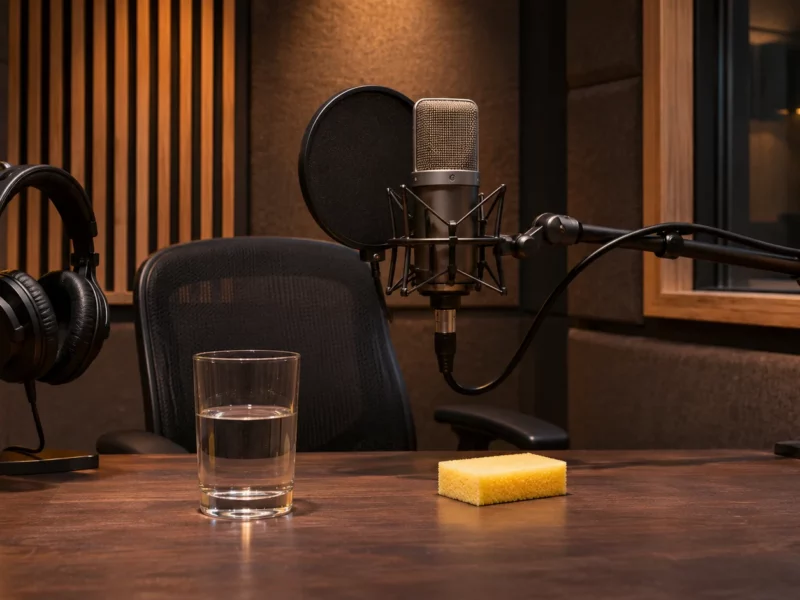
Others have asked whether the director ever says anything that would save them time later. On one stretch he points out a cup that had to be moved between takes. The audio continues for a few seconds without anyone speaking. Then he says the cup has moved. Several listeners have put down the phone and looked at something on their own tables in the hope of getting what he meant.
Clifton has kept his place just past the halfway mark. He’d like to finish it before the film becomes available again so he can come to that part without any distractions. He says it’s been nice being able to hear a person talk about doing something on the other side of a camera without feeling obligated to see how it came out.
The service has added him to an alert for the film. He told the person who offered that he would appreciate having enough warning to stop the commentary where he’s been keeping it. The staffer asked if he wanted them to remember the exact time.
Clifton said he remembers it already. The director had just asked whether anyone else could see the cup.