Bank and Supermarket Profits Safe After RBA Rate Hike
Your savings earn more now. The bank checked and you don’t have any.
Australia’s banks and supermarkets have assured shareholders their profits are safe after the Reserve Bank’s November rate rise. A joint review found households still had room to cut back on things like seeing a dentist and buying a second onion.
The Reserve Bank announced a quarter-point increase in the cash rate target, to 4.85 percent, on November 3. Fresh figures from the Australian Bureau of Statistics put annual inflation at 4.9 percent in October. At a briefing held in the food court of a suburban Brisbane shopping center, executives said both figures looked worse from the customer’s side of the table.
“People see a bigger mortgage payment and assume they’re getting a bad deal,” said Cresswell Bank’s head of retail banking, Graham Pike. “We’ve also raised the interest rate on their savings. That’s money coming straight back into their pocket, assuming they have money in the pocket to begin with.”
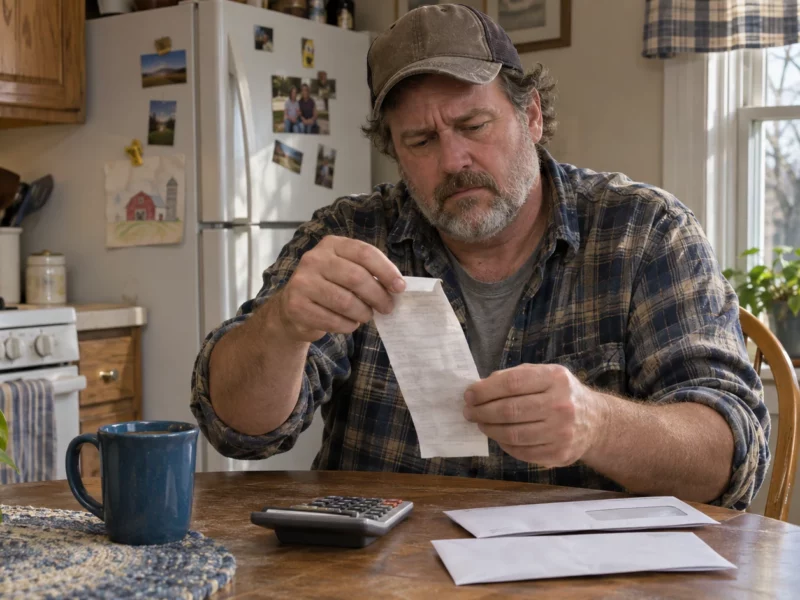
Pike said the bank had checked. Most customers targeted by its new savings campaign had spent their balances on groceries, insurance or a previous mortgage payment. He said that had made it possible to offer a more generous rate than originally planned.
The bank had set up a folding table outside the supermarket so shoppers could see how much they stood to earn. A woman called Mel from Strathpine agreed to let a staffer plug her numbers into the calculator. He put in the new rate, selected five years from a dropdown menu and asked how she would feel about having $32.60 more than she did today. She said she’d feel pretty good about it. He asked if she had $120 she could leave untouched until 2031.
She had $120 until Tuesday.
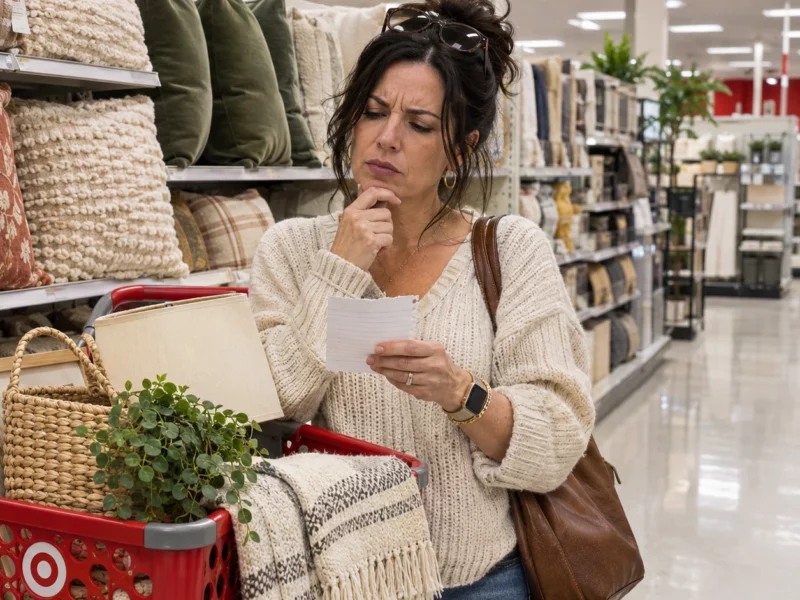
Beside the bank’s table, a supermarket executive showed reporters the chain’s latest sales figures and said he was encouraged by what customers were putting back. A shopper who reluctantly returned a tub of ice cream would usually keep the bread. The chain had moved the bread closer to the checkouts so there was less distance in which to reconsider it.
“We’ve had a bit of noise about people skipping meals,” the executive said. “The good thing about dinner is that a lot of people have kids. You can get away with saying you’ve already eaten for about a week. Then one of them notices.”
A supermarket analyst asked whether shoppers could switch to a cheaper chain. The executive said they absolutely could, and pulled up a map showing where he planned to put the next supermarket so they wouldn’t have to drive as far to find out it cost about the same.
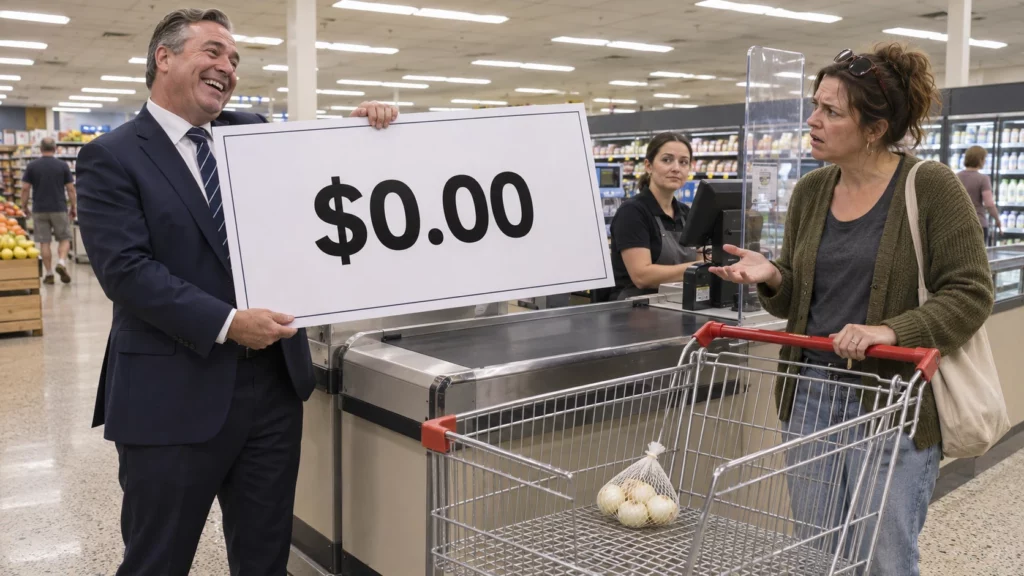
Mel spent 14 minutes doing her regular shop. She used to take longer, when the trolley had things in the bottom she needed to get out of the way to see what she’d already bought. At the checkout she handed the cashier a bag of onions and asked if she could open it and just buy one. The cashier pointed to the loose onions two aisles over. They were 40 cents more per kilo. Mel took one anyway.
While she paid, the bank’s staff handed out oversized checks showing what families could expect to earn in interest. The checks had been printed in advance. A staffer said the bank had saved on printing by being able to use the same figure for everyone.
Pike said Cresswell knew some customers were doing it tough and encouraged them to speak to its hardship team. The bank had made it easier to get through by putting a button in the app, under the banner congratulating customers on their higher savings rate. When Mel pressed it, the app asked whether she’d be comfortable selling any assets. She clicked out of it and went to find her car.
By the time she got to the parking lot, the bank had noticed that her grocery bill was lower than usual. It sent her a notification asking if she was overseas.