Rick Rubin Finally Gets Caught Out
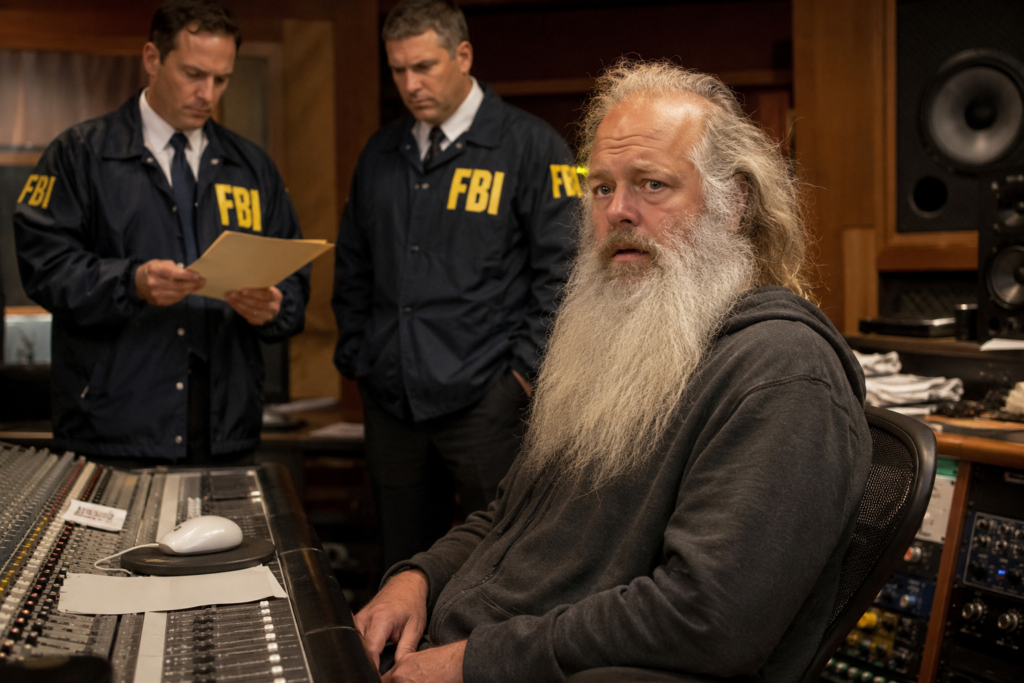
LOS ANGELES – Music producer Rick Rubin is facing mounting scrutiny this week after a three-month industry investigation concluded that he may not have actually been doing anything during recording sessions for the past 28 years.
The inquiry began after a junior sound engineer at Shangri-La Studios accidentally left a live microphone running in a control room and captured Rubin silently eating dried mango for 47 consecutive minutes while an indie rock band argued themselves into tears.
According to leaked studio transcripts, Rubin occasionally interrupted the silence to say things like “What if the snare understood forgiveness?” before returning to a seated position on a couch facing the wall.
“It was devastating,” said producer and longtime collaborator Greg Wells. “We always assumed there was another layer we just weren’t smart enough to perceive. Like quantum producing. Then we checked the tapes and realized he mostly says ‘interesting’ every 90 minutes.”
Industry analysts say suspicion had quietly followed Rubin for years due to the unusual consistency of his workflow, which allegedly involves arriving barefoot, removing all available chairs except one, dimming the lights, and asking artists whether the album “feels honest to the mountains.”
One former assistant claimed Rubin once spent an entire six-week production cycle lying on the floor with his eyes closed while members of a Grammy-winning band slowly convinced themselves to delete their best songs.
“We thought he was accessing frequencies beyond normal cognition,” the assistant said. “Turns out he was asleep. Deep asleep. He snored through an entire horn section.”
The scandal intensified after prosecutors obtained internal Republic Records documents referring to Rubin’s process as “passive emotional furniture.” One memo reportedly advised executives never to ask him direct questions because “the silence itself invoices at $600,000 per project.”
Several artists have nevertheless defended Rubin, insisting his complete lack of technical involvement was precisely what made him a genius.
“He changed my life,” said one platinum-selling singer-songwriter. “At one point he looked at me and asked if I was afraid of the color burgundy. I broke down crying immediately. The album went triple platinum.”
Others described increasingly alarming sessions that now appear less visionary in hindsight.
Members of one alternative rock group alleged Rubin spent two months encouraging them to “record the absence of rhythm,” resulting in an album consisting almost entirely of distant footsteps and a saucepan being dropped in another room.
The band later received widespread critical acclaim from Pitchfork, which called the project “a violent rejection of certainty.”
Federal investigators became involved after financial auditors attempted to determine precisely what Rubin’s production fees covered. According to sources close to the investigation, accountants initially believed they were dealing with a sophisticated shell corporation because invoices simply contained phrases like “holding space for album” and “vibe alignment.”
One subpoena reportedly requested evidence Rubin had ever physically touched studio equipment. In response, attorneys submitted a single 2004 photograph showing him pointing vaguely at a tambourine.
Music executives are now scrambling to contain fallout across the industry, where dozens of producers fear similar exposure.
“There are people in this business surviving entirely on kneeling thoughtfully near candles,” said one anonymous A&R executive. “If Rick goes down, half the ambient music economy collapses overnight.”
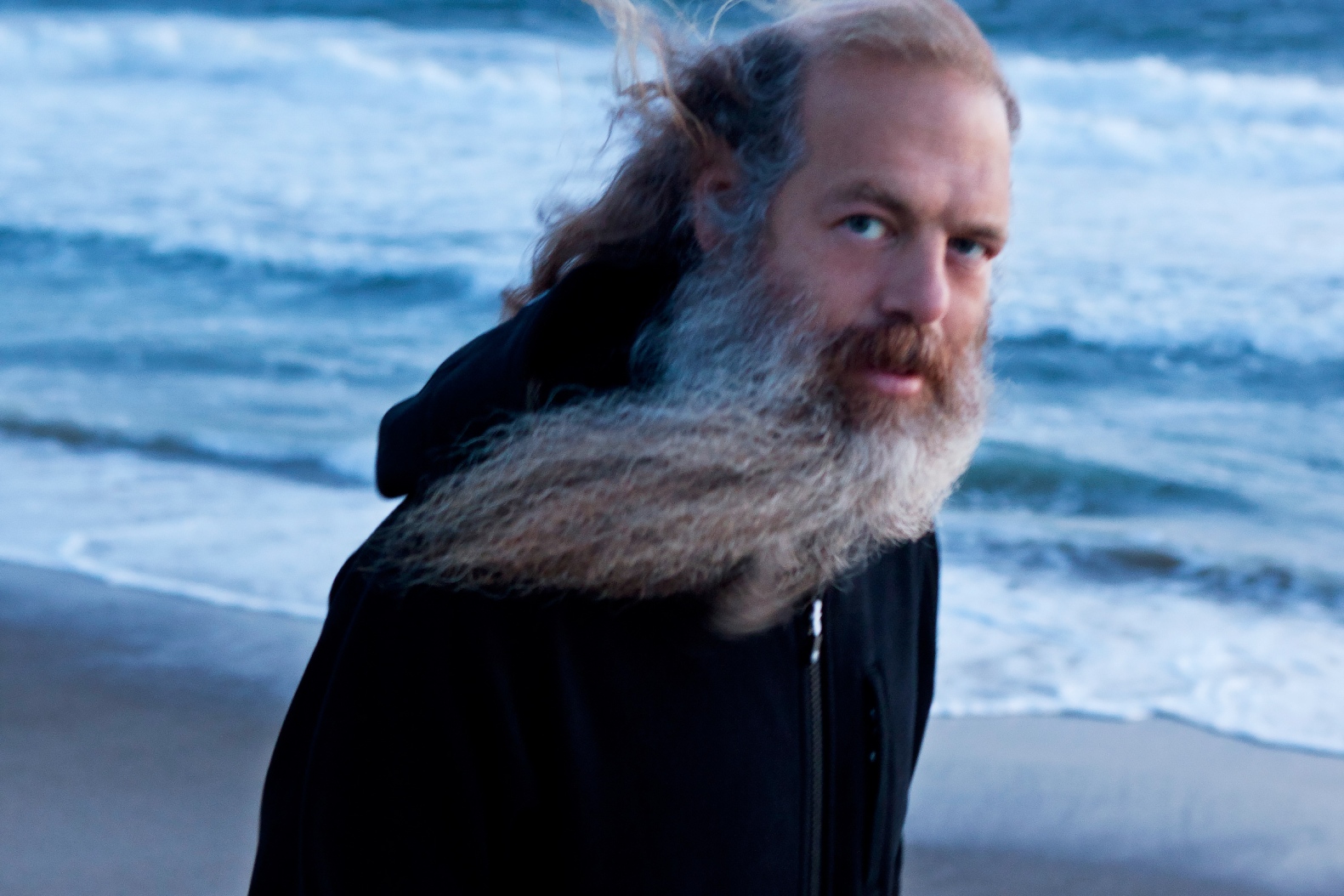
Despite the controversy, Rubin remains defiant. Speaking briefly outside his Malibu home while wrapped in a blanket and holding a bowl of figs, he denied wrongdoing.
“The modern mind is obsessed with action,” Rubin said calmly. “But sometimes the greatest production choice is sitting absolutely still while other people panic in front of you.”
At press time, Spotify had announced a new premium subscription tier allowing listeners to pay $14.99 a month to have Rick Rubin silently observe them while they make playlists.