Protecting The Consumer: Fans Are Demanding Lower Ticket Prices Because They Apparently Hate Modern Capitalism So Much
Fans say they want cheaper tickets and fewer fees, which seems suspiciously hostile to the fragile miracle of modern capitalism.
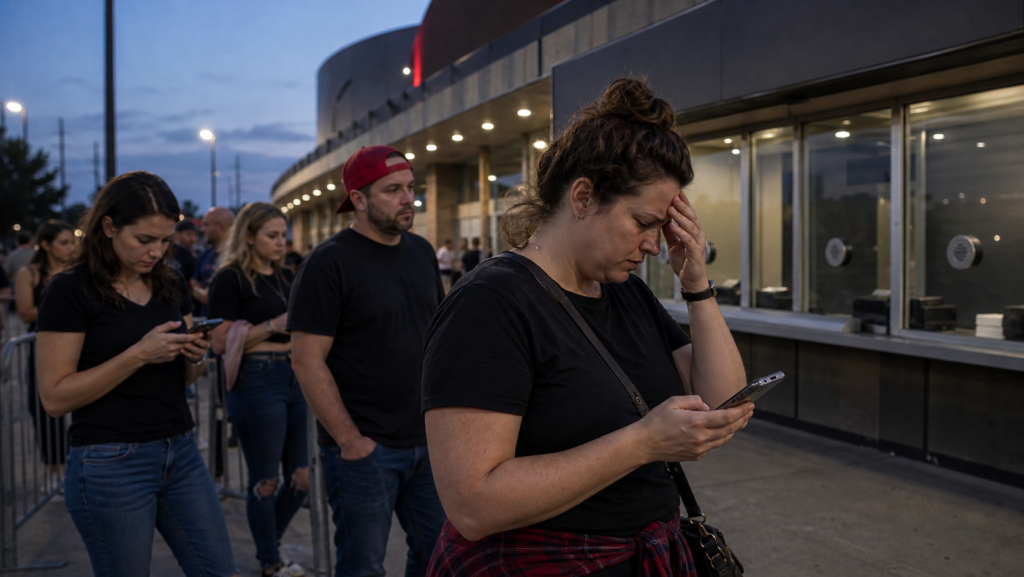
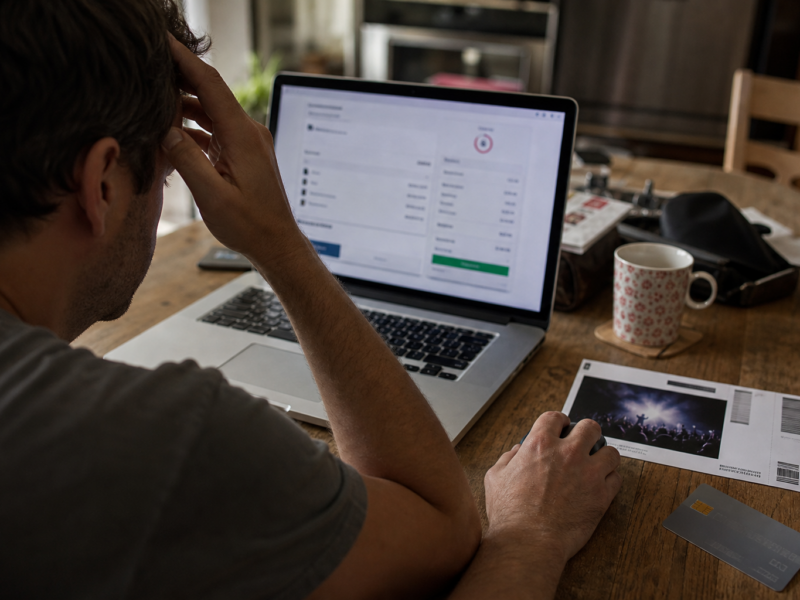
For years, Americans have enjoyed the simple pleasure of typing in a $79 concert ticket, watching it become $216.43 at checkout, and quietly accepting that this is what freedom looks like. That sacred arrangement is now under attack.
Across the country, fans are demanding lower ticket prices, fewer junk fees, and “a system where normal people can afford to see the bands they like,” raising the troubling question of why so many of them hate modern capitalism so much.
Hm. Weird thing to be against.
The backlash comes after several major tours introduced dynamic pricing that adjusts in real time based on demand, supply, humidity, emotional weakness, proximity to payday, and whether the customer has ever described a song as “getting me through college.” Under the model, a seat listed at $148 can rise to $690 once the system detects that the buyer has already texted three friends “I got us,” creating what economists call a learning opportunity.
“Fans keep saying they want transparency, but transparency is exactly what we’re giving them,” said Marlon Beaks, senior vice president of consumer extraction at Live Nation-adjacent ticketing consultancy SeatVista Partners. “They can clearly see the $118 service fee, the $42 order processing fee, the $31 facility preservation fee, the $17 digital barcode stewardship fee, and the $9.95 privilege recovery surcharge. Frankly, I don’t know how much more visible a fee can be before it starts singing the national anthem.”
Damn. Fair point from Marlon.
Industry leaders have also warned that lowering prices could devastate the delicate live entertainment economy, which relies on charging a 29-year-old dental receptionist from Paramus $487 to sit behind a concrete pillar at a rescheduled Blink-182 show. Without that revenue, executives may be forced to make painful sacrifices, including delaying the rollout of platinum-tier cupholders, reducing private-suite shrimp density, or asking artists to survive with only one sponsored “intimate fan experience” per fiscal quarter.
“People say, ‘I just want to take my daughter to see Taylor Swift without refinancing my Kia,'” Beaks added. “And we hear that. But have they considered that shareholders also have daughters, many of whom are studying abroad in Barcelona right now and need to feel safe using their parents’ AmEx?”
Aww. Someone finally said it.
Fans, however, remain selfishly focused on “being able to afford things,” a slippery idea that has already spread from stadiums into airlines, rental housing, grocery stores, and restaurants that now ask whether customers would like to tip 25 percent for watching a cashier rotate an iPad. Several consumer groups have argued that the ticket price should be the ticket price, a radical anti-business position previously associated with Soviet bread lines and buying literally anything in 1998.
At press time, economists warned that if fans succeed in lowering ticket prices, the consequences could be catastrophic: more people attending concerts, louder crowds, higher merch sales, better goodwill, and a dangerous public expectation that purchasing something should not feel like losing a custody battle to a PDF.
One thing is for certain: fans say they love live music, but the second capitalism asks them to prove it by paying $74.20 to receive an email, suddenly everyone’s Che Guevara.